
The 2026 Calgary Cost Guide: Budgeting for Custom Builds & Major Renos
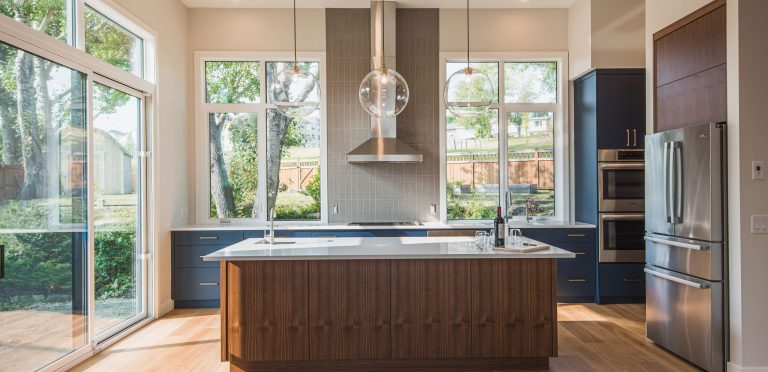
When you decide to build a custom home or embark on a major renovation in Calgary, you aren’t just changing your floor plan—you’re making one of the most significant financial investments of your life.
At Saville Homes, we’ve walked alongside countless families through this process. We’ve seen that the difference between a project that feels like a dream and one that feels like a burden isn’t the size of the kitchen or the brand of the appliances—it’s the clarity of the budget.
In the current 2026 construction landscape, “budgeting” is no longer just about picking a number you’re comfortable with. It’s a strategic exercise in aligning your vision with the realities of the Calgary market. Here is how we recommend our clients approach the financial side of building and renovating to ensure long-term project success.
1. Understanding the Calgary Landscape in 2026
To set a realistic budget, you first need a benchmark of where the market stands. Calgary has seen a unique shift over the last few years. While the city remains a hub for beautiful custom infills and expansive acreage builds, the cost of labor and materials has matured.
For a Custom Home Build in Calgary today, you should generally anticipate a starting point between $280 and $430+ per square foot. Factors like the complexity of the architectural design, the topography of your lot (especially in hilly areas like Springbank or Christie Park), and the level of custom cabinetry will dictate where you fall on that spectrum.
For Major Renovations, the range is often broader, typically landing between $125 and $225 per square foot. Because renovations involve the “unknowns” of existing structures, the budget requires a bit more flexibility than a new build.
2. Setting the Foundation: The 5 Pillars of a Realistic Budget
We often tell our clients that a budget is a living document, but its foundation must be poured with precision.
Pillar 1: Define Your “Standard of Living”
Before looking at floor plans, ask yourself: What is the primary goal of this project? * The Forever Home: If you plan on staying for 20+ years, your budget should prioritize “unseen” quality—high-efficiency HVAC, superior insulation, and timeless, durable materials.
- The Strategic Value-Add: If this is a 5-to-10-year home, your budget should be weighted toward high-ROI areas like the kitchen and primary suite, keeping finishes modern but within the neighborhood’s price ceiling.
Pillar 2: Account for “Soft Costs” (The Invisible Budget)
It is a common pitfall to look only at the “hard costs” (lumber, labor, and finishes). However, a professional budget includes the “soft costs” that occur before the first nail is driven. In Calgary, this includes:
- Architecture and Design Fees: Investing in a great set of plans saves thousands in mid-construction errors.
- Permits and Levies: City of Calgary permits vary based on project value and complexity.
- Utility Infrastructure: For infills, moving a gas line or upgrading an electrical panel is a standard but necessary expense.
Pillar 3: The Non-Negotiable Contingency
In the world of construction, “surprises” are just facts we haven’t discovered yet. This is especially true for renovations in established Calgary neighborhoods. Whether it’s discovering outdated wiring behind a 1950s wall or a sudden shift in global supply chain pricing, you need a safety net.
We recommend a 15% to 20% contingency fund. This isn’t money you plan to spend, but having it set aside ensures that if a challenge arises, it’s a minor hurdle rather than a project-stopping crisis.
Pillar 4: The “Splurge vs. Save” Strategy
A realistic budget doesn’t mean you can’t have the high-end features you love; it just means you have to balance them.
- Splurge on: Anything that is difficult to change later. This includes windows, structural layout, and high-quality flooring.
- Save on: Items that are easily upgraded in five years, such as lighting fixtures, cabinet hardware, or secondary bathroom mirrors.
Pillar 5: Transparency and Communication
A budget is only as good as the honesty behind it. When interviewing builders, be wary of “low-ball” estimates that seem too good to be true. At Saville Homes, we believe that transparency is the most important tool in our belt. A realistic budget is built on detailed, line-item transparency, not “guesstimates.”
3. Sticking to the Plan: How to Combat “Scope Creep”
“Scope Creep” is the silent budget killer. It starts with a simple “While we’re at it, let’s just upgrade the powder room,” and ends with a budget that is 30% over.
The Power of Pre-Selection
The most successful projects we manage are those where the homeowners have made nearly all their selections—from the kitchen faucet to the grout color—before the project begins. When you select items early, you lock in pricing and avoid the “allowance trap,” where you realize halfway through that the builder’s allowance for tile only covers the basic options, but you want the premium porcelain.
The Discipline of Change Orders
If you do decide to make a change mid-project, ensure it is documented in a formal Change Order. This document should outline exactly how much the change costs and how it affects the timeline. Seeing the cost in writing often helps homeowners decide if that extra feature is truly worth the investment.
4. Investing in Energy Efficiency (The Long-Term Budget)
Living in Calgary means preparing for -30°C winters and +30°C summers. A realistic budget shouldn’t just look at the cost to build the home, but the cost to run it.
We encourage our clients to look at high-performance building envelopes. While spending an extra $15,000 on premium windows or a high-velocity furnace might feel like a stretch today, the reduction in monthly utility bills over the next decade makes it one of the smartest “budgeting” decisions you can make.
5. Why the “Cheapest Quote” is Often the Most Expensive
It’s tempting to choose the builder who provides the lowest initial number. However, in the Calgary construction industry, “cheap” often comes at the cost of project success.
Lower quotes are frequently the result of:
- Incomplete Scopes: Leaving out necessary items like landscaping or permits.
- Lower-Tier Trades: Utilizing inexperienced labor that leads to costly repairs down the line.
- Lack of Insurance/Warranty: Leaving the homeowner liable for mishaps.
A professional, realistic budget from a reputable Calgary builder like Saville Homes includes the “real” costs of doing business: WCB coverage, liability insurance, and the Alberta New Home Warranty.
Closing Thoughts: Building with Confidence
Budgeting for a home project is about more than just numbers on a page; it’s about peace of mind. When you set a realistic budget, you aren’t just planning for the house you want—you’re planning for the life you want to live inside it.
By prioritizing transparency, planning for contingencies, and making informed decisions on where to splurge, you can ensure that your building or renovation journey is as rewarding as the final result.
Ready to start planning your Calgary project? Let’s sit down and build a budget that works for you.