
Custom Home Renovations in Calgary A Complete Guide for 2026
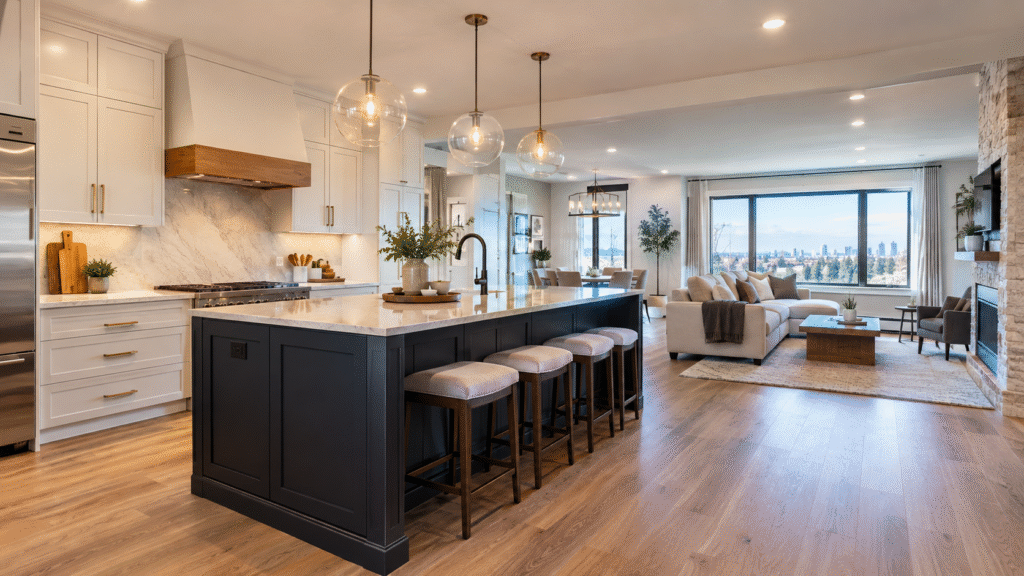
Planning a home renovation is an opportunity to create a space that better reflects your lifestyle, improves everyday comfort, and adds long-term value to your property. In 2026, homeowners exploring Home Renovations in Calgary are looking for practical layouts, modern finishes, energy efficiency, and personalized designs that suit their needs. Saville Homes understands the importance of thoughtful planning and quality craftsmanship when transforming an existing house into a home that feels more functional, comfortable, and distinctly yours.
Whether you want to update an outdated kitchen, renovate your entire home, finish a basement, or expand your living space, a successful project begins with a clear vision and a well-organized plan. This guide covers the essential steps to help you make informed renovation decisions.
1. Understanding Custom Home Renovations
Custom renovations focus on adapting your existing home to your preferences rather than relying on a one-size-fits-all approach. Every property has different structural features, space limitations, and opportunities for improvement.
What Makes a Renovation Custom?
A custom renovation considers how your household uses each room, which features need improvement, and how the finished space should look and feel. Instead of choosing designs based only on appearance, homeowners can prioritize functionality, comfort, and lasting quality.
Common custom renovation projects include:
- Kitchen remodeling with improved storage, lighting, and workspaces.
- Bathroom upgrades featuring modern fixtures and practical layouts.
- Basement developments that create additional living or recreation areas.
- Main-floor renovations that improve the connection between rooms.
- Home additions that provide extra bedrooms, offices, or family spaces.
- Whole-home transformations that update multiple areas for a consistent design.
The best approach depends on your property’s condition, your budget, and the changes that will make the greatest difference to your everyday life.
2. Popular Renovation Ideas for Calgary Homes in 2026
Renovation priorities continue to evolve as homeowners seek spaces that combine contemporary design with everyday practicality. Rather than following every passing trend, focus on improvements that suit your lifestyle and are likely to remain useful over time.
Open and Functional Living Spaces
Open layouts can make common areas feel brighter and more connected. Removing a wall between the kitchen and living room, for example, may improve visibility and create a more welcoming environment for family gatherings.
However, removing walls requires careful assessment. Some walls support the structure of the home, and changes may require engineering, permits, and additional construction work.
Kitchens Designed Around Daily Life
The kitchen is one of the most frequently used spaces in a home. Custom cabinetry, durable countertops, layered lighting, and well-planned storage can improve both appearance and usability.
Consider your cooking habits, the number of people using the kitchen, and whether you need a larger island or more preparation space. These details help guide design choices that work in practice rather than simply looking attractive.
Comfortable and Modern Bathrooms
Bathroom renovations can improve convenience while giving the room a refreshed appearance. Walk-in showers, efficient fixtures, improved ventilation, and practical storage are popular options.
Before choosing finishes, consider moisture resistance, cleaning requirements, and the available space. A thoughtful layout can make even a compact bathroom feel more comfortable.
Flexible Basements and Multipurpose Rooms
A finished basement can serve as a guest suite, entertainment room, home office, or family recreation area. The right design should account for ceiling height, lighting, insulation, moisture management, and any applicable safety requirements.
Flexible spaces are particularly useful for households whose needs may change over time.
3. How to Plan Your Renovation Budget
A realistic budget helps establish priorities and reduces the likelihood of unexpected financial pressure during construction. Renovation costs vary significantly depending on project size, material selections, labor, structural changes, and the condition of the existing property.
Identify Your Priorities
Start by separating essential improvements from optional upgrades. Addressing structural concerns, outdated electrical systems, plumbing issues, or water damage may be more important than cosmetic changes.
Once the essential work is identified, allocate funds for finishes, fixtures, cabinetry, flooring, and other design elements. This makes it easier to adjust selections without compromising important parts of the project.
Prepare for Unexpected Expenses
Older homes can reveal hidden issues once walls, floors, or ceilings are opened. Setting aside a contingency fund can help cover necessary changes without disrupting the entire renovation plan.
It is also important to understand what a contractor’s estimate includes. Ask about demolition, disposal, permits, materials, labor, taxes, and any exclusions. A detailed written estimate makes it easier to compare proposals accurately.
Choose Materials for Long-Term Value
The least expensive material is not always the most economical choice over time. Durable flooring, quality hardware, reliable fixtures, and easy-to-maintain surfaces may offer better long-term value.
Aim for a balance between your desired aesthetic, expected maintenance, and the overall cost of ownership.
4. Understanding Calgary Renovation Permits and Requirements
Permits are an important part of many renovation projects. Requirements depend on the work being completed, the property’s circumstances, and applicable municipal regulations.
When Might You Need a Permit?
Cosmetic updates may not require the same approvals as structural changes or major alterations. Projects involving additions, basement developments, secondary suites, or changes to building systems may require building permits, development permits, or trade permits.
The City of Calgary provides guidance for home renovations and basement developments and home additions.
Before construction begins, confirm which approvals apply to your specific project. Permit requirements can affect the schedule, design, and overall budget.
Why Professional Planning Matters
Incomplete applications or missing documentation can delay a project. Drawings, technical details, and professional input may be necessary depending on the scope of the work.
An experienced renovation team can help coordinate planning and permit-related requirements. Homeowners should still confirm responsibilities in writing, including who submits applications, arranges inspections, and handles required documentation.
5. Choosing the Right Custom Renovation Contractor
Selecting a Custom Renovation Contractor is one of the most important decisions in your renovation journey. The right professional helps translate your ideas into a workable plan, coordinates trades, manages construction details, and communicates throughout the project.
Evaluate Experience and Relevant Projects
Look for a contractor with experience in the type of renovation you want to complete. A professional who regularly handles whole-home transformations may have different expertise from someone who mainly completes small cosmetic updates.
Review project photographs, references, and examples of comparable work. Ask how the contractor approaches design changes, unexpected repairs, scheduling, and quality control.
Review Contracts and Communication
A clear contract should describe the work, estimated schedule, payment arrangements, materials, exclusions, and procedures for approving changes. Make sure you understand how additional costs will be documented and authorized.
Communication is equally important. Establish who your primary contact will be, how often you will receive updates, and how decisions will be handled when adjustments become necessary.
Verify Credentials and Insurance
Before hiring a contractor, ask about relevant licensing, insurance coverage, references, and applicable safety requirements. Verify credentials where appropriate and ensure the agreement clearly identifies the responsible parties.
A careful selection process can help reduce misunderstandings and support a more organized renovation experience.
6. Connecting Renovations With Calgary Custom Homes and Design
A renovation should complement the existing home while making it better suited to the people who live there. Design decisions are most effective when they consider the property’s architecture, available space, natural light, and future needs.
Creating a Consistent Design
Homeowners researching Calgary custom homes can apply many of the same planning principles to an existing property. Consider how room proportions, window placement, cabinetry, flooring, and finishes work together.
A consistent design does not mean every room must look identical. Instead, repeat selected materials, colors, and architectural details to create a cohesive feel throughout the home.
Planning With Calgary Custom Home Design Principles
Calgary custom home design emphasizes the importance of aligning a home’s layout and features with the owner’s preferences and practical requirements. These principles are useful when reworking an existing floor plan, improving storage, or planning an addition.
For example, a family that regularly entertains may benefit from a connected kitchen and dining area, while a household that works remotely may prioritize a quiet office with good lighting. The design should reflect real routines rather than assumptions about how a home should look.
Considering Calgary’s Climate
Calgary’s seasonal temperature changes make insulation, air sealing, ventilation, and suitable materials important considerations. During a renovation, it may be worth evaluating windows, exterior doors, and other features that influence comfort and energy use.
The best upgrades depend on the property’s existing condition and the project’s scope. Discuss practical options with qualified professionals before deciding which improvements to include.
7. What to Expect During the Renovation Process
Understanding the main stages of construction can help you prepare your household and make timely decisions. Although each project is different, a structured process provides clarity from the first conversation through the final walkthrough.
Consultation and Planning
The process usually begins with a discussion of your goals, preferred design, budget, and priorities. The renovation team assesses the existing space and identifies potential constraints.
Design development, estimates, material selections, and scheduling follow as the project becomes more defined. The scope of work and responsibilities should be agreed upon before construction begins.
Construction and Project Updates
Once approvals and preparations are complete, construction can begin. Depending on the project, this may include demolition, structural work, plumbing, electrical work, insulation, drywall, cabinetry, flooring, and finishing.
Regular communication helps homeowners understand progress and respond to questions. If unexpected conditions arise, discuss the proposed solution, cost, and schedule implications before authorizing changes.
Final Inspection and Completion
At the end of the project, review the completed work with the contractor. Prepare a list of outstanding items, confirm that applicable inspections have been completed, and request relevant warranties and product documentation.
A final walkthrough provides an opportunity to address remaining concerns and understand how to maintain the renovated space.
8. Common Renovation Mistakes to Avoid
Even a well-planned renovation can become more complicated when important details are overlooked. Recognizing common mistakes early helps you make better decisions and protect your investment.
Focusing Only on Appearance
Beautiful finishes cannot compensate for poor storage, inadequate lighting, or an inefficient layout. Begin with function and then select materials and finishes that support the design.
Making Changes Without Reviewing the Impact
Changes made during construction can affect costs, material availability, and scheduling. Finalize major decisions as early as possible and document approved changes in writing.
Choosing a Contractor Based Only on Price
A very low estimate may exclude important work or rely on assumptions that later increase the total cost. Compare proposals by examining their scope, materials, exclusions, schedule, and payment terms rather than looking at the headline price alone.
Overlooking Future Needs
Consider how your household might change over the next several years. Flexible rooms, accessible pathways, adequate storage, and durable materials can help the renovated home remain useful for longer.
Conclusion
Successful Home Renovations in Calgary begin with a clear understanding of your goals, a realistic budget, careful design decisions, and a qualified renovation team. From updating kitchens and bathrooms to reimagining entire floor plans, each improvement should balance appearance, functionality, durability, and long-term value. Saville Homes encourages homeowners to approach renovations with thoughtful planning, open communication, and attention to craftsmanship so their spaces can better support everyday life.
Ready to explore your renovation possibilities? Contact Saville Homes to discuss your vision, project requirements, and next steps toward creating a home that works better for you.
Frequently Asked Questions
How much does a home renovation cost in Calgary?
The cost depends on the size of the project, the condition of the property, the materials selected, and whether structural or mechanical changes are needed. A cosmetic update generally costs less than a full-home renovation or addition. Request a detailed, project-specific estimate before setting your final budget.
Do I need a permit to renovate my house in Calgary?
Some renovations require permits, while certain cosmetic updates may not. Structural changes, additions, basement developments, and work involving electrical, plumbing, or gas systems may require approvals. Check the City of Calgary’s current requirements for your specific project before work begins.
How long does a home renovation take?
The timeline depends on the scope of work, design complexity, material availability, contractor scheduling, and permit approvals. A small room update may take considerably less time than a whole-home renovation. Ask for a written schedule that identifies major milestones and potential delays.
How do I choose a reliable renovation contractor?
Review relevant experience, past projects, references, insurance, and applicable credentials. Request a detailed written proposal and contract that explains the scope, payment schedule, exclusions, and change-order process. Clear communication and transparent pricing are important signs of a well-managed working relationship.
Is renovating an existing home better than buying a new one?
It depends on your budget, location preferences, property condition, and long-term goals. Renovating may allow you to retain a preferred neighborhood and customize your existing layout. However, extensive structural repairs or major additions can be costly, so compare realistic renovation estimates with the cost of moving before deciding.
Which home renovations can improve energy efficiency?
Potential improvements include better insulation, air sealing, efficient windows, upgraded heating equipment, improved ventilation, and energy-efficient lighting. The most appropriate upgrades depend on your home’s current performance. An assessment can help identify improvements that offer meaningful comfort and energy savings.
Can I live in my home during a major renovation?
Sometimes, yes, but it depends on which areas are affected and whether essential services remain available. Dust, noise, restricted access, and temporary interruptions to water or electricity can make daily life difficult. Discuss a household safety plan with your contractor and consider temporary accommodation if major areas will be unusable.